





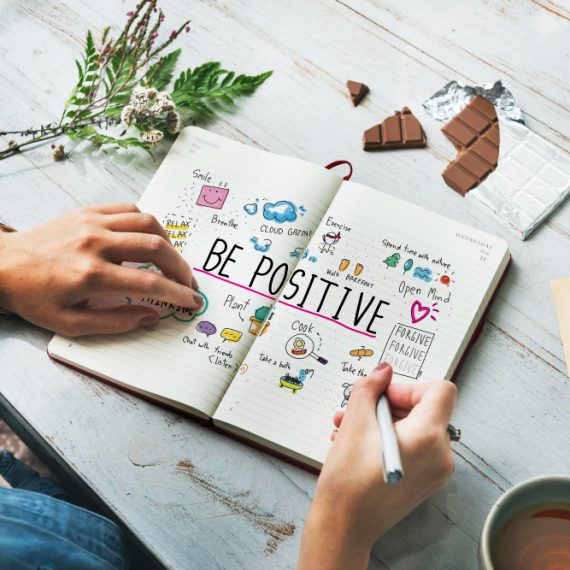
How to Boost Creativity: Practical Tips for Everyday Life
Creativity is often treated like a mysterious spark—something that strikes at random when the conditions are just right. In reality, it’s more like a muscle that grows stronger the more you practice using it in everyday life. You don’t have to be a painter, designer, or musician to benefit from being more creative. Whether you’re solving problems at work, figuring out new ways to organize your home, or simply looking for fresh perspectives, boosting your creative thinking can make life richer and more enjoyable. One of the most effective ways to nurture creativity is by breaking out of your usual routine. Even small changes, like taking a different route to work or trying a new recipe, can challenge your brain to make unexpected connections. Another key factor is giving yourself space for reflection. In a world that constantly pushes us toward productivity, moments of downtime—whether through journaling, a walk around the block, or simply sitting without your phone—allow ideas to surface more naturally. Surrounding yourself with diverse influences also fuels inspiration. Reading outside your favorite genre, listening to different types of music, or engaging in conversations with people from varied backgrounds can trigger entirely new ways of thinking. Ultimately, creativity thrives when curiosity and openness are prioritized. By making tiny, intentional shifts in how you approach each day, you invite more opportunities for creative breakthroughs, transforming ordinary moments into sparks of inspiration that carry over into every aspect of life.

The Power of Small Habits: How Daily Actions Lead to Big Results
We often imagine that significant achievements come from dramatic efforts, yet real and lasting change tends to have far smaller beginnings. The power of small habits lies in their ability to compound over time, quietly shaping our behaviors and ultimately our identity. When we commit to small, consistent actions, we frequently underestimate their long-term effect because we expect transformation to feel immediate. But the truth is that grand outcomes are usually the product of persistence rather than sudden breakthroughs. Consider the difference between reading just ten pages a day versus waiting for the perfect weekend to start a book. Ten pages might feel trivial in the moment, yet across months, this practice builds knowledge, sparks creativity, and fosters discipline. Similarly, small acts of movement—taking the stairs, stretching during breaks, or a short daily walk—may not feel like a full workout, but over time they add up to stronger health and greater energy. Even tiny improvements in financial habits, such as setting aside a small percentage of income, reinforce a sense of security and eventually grow into real financial stability. The pattern is clear: incremental actions, when repeated consistently, are more powerful than grand gestures attempted infrequently. The secret is not about intensity but about consistency, and about aligning those modest actions with who we want to become. Each choice, however small, is a vote for the type of person we are cultivating. Ultimately, small habits become the foundation that enables us not just to achieve goals but to sustain them, proving that progress is less about giant leaps and far more about steady steps walked every single day.
Innovations in Education: New Approaches That Are Transforming Learning
Across the globe, education is undergoing a profound transformation, driven by new technologies, evolving social needs, and an expanding understanding of how people learn best. Classrooms that once relied almost entirely on textbooks and lectures are increasingly incorporating adaptive digital tools, collaborative platforms, and personalized learning plans. These innovations are not simply about swapping chalkboards for tablets; they represent a shift toward approaches that prioritize critical thinking, creativity, and flexibility, equipping students to navigate a world that changes rapidly. Virtual and augmented reality, for example, allow learners to explore scientific concepts or historical events with an immediacy that traditional methods could never achieve. Artificial intelligence is beginning to support teachers by analyzing student progress in real time and suggesting tailored resources, ensuring that individuals don’t fall behind or get overlooked in the larger group. At the same time, project-based and interdisciplinary learning models push students to apply their knowledge in meaningful, real-life contexts, preparing them for challenges that require both collaboration and innovation. Importantly, these approaches acknowledge that education is not one-size-fits-all; they emphasize adaptability, accessibility, and experiential engagement. The result is a dynamic environment where students are encouraged to take ownership of their learning and develop the skills most necessary for the future: problem-solving, communication, and resilience. As these practices gain momentum, they hold the potential not only to improve educational outcomes but to redefine what it truly means to be educated in the 21st century.

Debunking Myths About a Healthy Lifestyle
When it comes to living a healthy lifestyle, myths often spread faster than facts. Many people still believe that being healthy is about strict diets, grueling exercise routines, or following the latest wellness trend without question. In reality, health is far more balanced and personal. One common misconception is that eating well means cutting out all indulgences. While balance is important, completely eliminating foods you enjoy can lead to frustration and may even backfire, making it harder to maintain healthy habits in the long run. Moderation, rather than restriction, is often the key. Another popular myth is that only intense, high-impact workouts count as effective exercise. The truth is that movement of any kind—whether walking, stretching, or light strength training—can contribute positively to overall well-being. Sustainability matters more than chasing extremes. There is also a widespread belief that supplements alone can fill nutritional gaps, but no pill or powder can truly replace the benefits of a balanced diet rich in whole foods. Mental health is commonly overlooked as well, with some assuming that wellness is purely physical. Yet stress management, sleep quality, and emotional balance play equally crucial roles in maintaining health. Debunking these myths helps people see that a healthy lifestyle is not about perfection or extremes, but about small, consistent choices that are realistic and enjoyable. By letting go of misconceptions, individuals can focus on what actually works and create habits that last. (Characters: 1,226)